
The Wolf’s Reputation
Never Cry WolfThis thread traces how fear, rumor, and institutional storytelling sustain the image of wolves as a public menace despite contrary evidence.
increasing Bearing strength in each event
 decreasing
Bearing strength in each eventdecreasingA Story Before Evidence
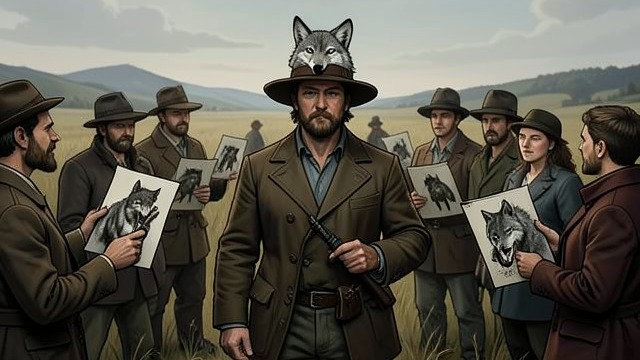
A Story Before Evidence
Cultural Fear
Mowat arrives with a familiar picture of Wolves as dangerous killers. Government literature and public complaints reinforce the idea before he has watched a wild wolf.
The Study’s Bias
The assignment assumes that the wolf is the source of declining deer. The story shows how a widely repeated belief can shape the question that science is asked to answer.
Rumors in Churchill
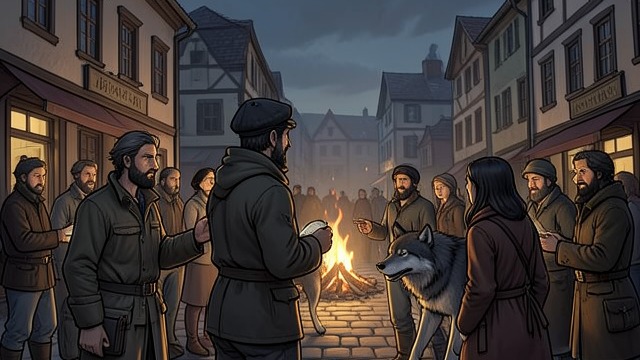
Rumors in Churchill
Impossible Claims
Residents tell Mowat that Wolves attack people in great numbers, shed their skins, or avoid pregnant women. The stories are entertaining but expose the absence of reliable information.
Fear as Local Knowledge
The claims circulate because they fit existing expectations and are repeated by people with practical or financial interests. Mowat begins to see rumor as part of the machinery that makes wolf hatred seem reasonable.
A Cocker Spaniel Menace
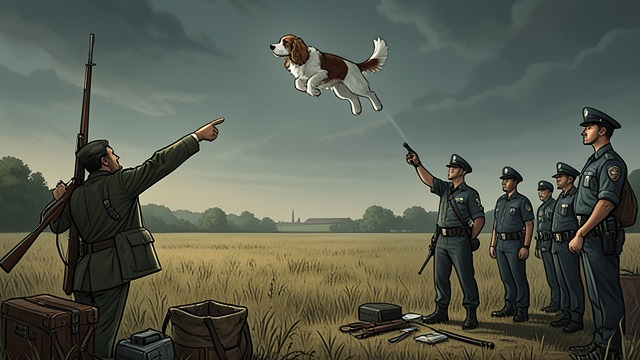
A Cocker Spaniel Menace
Panic Takes Hold
A report of a dangerous wolf triggers an armed response by soldiers and police. The search escalates despite weak evidence and widespread alarm.
Mistaken Identity
A supposed wolf spotted from the air proves to be a cocker spaniel. The absurd discovery illustrates how fear can make ordinary sights appear to confirm a shared myth.
A Sick Wolf, Many Stories
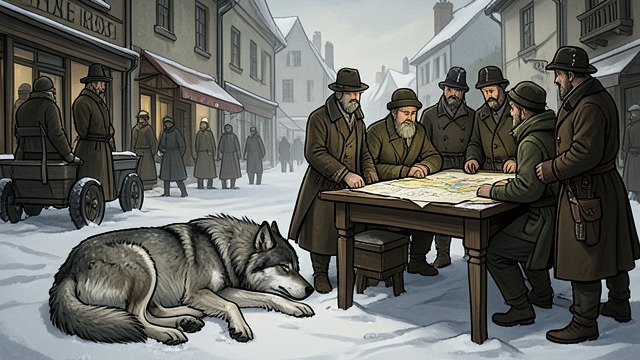
A Sick Wolf, Many Stories
The Actual Animal
A wolf found near Churchill is so ill that it can no longer move. Its condition is consistent with disease and starvation, not a deliberate attack on people.
Memory Inflates the Threat
Later accounts turn the episode into an invasion by packs that terrorized the town. The gap between the sick animal and the remembered catastrophe reveals how community stories grow.
Vilification and Killing
Vilification and Killing
A Useful Enemy
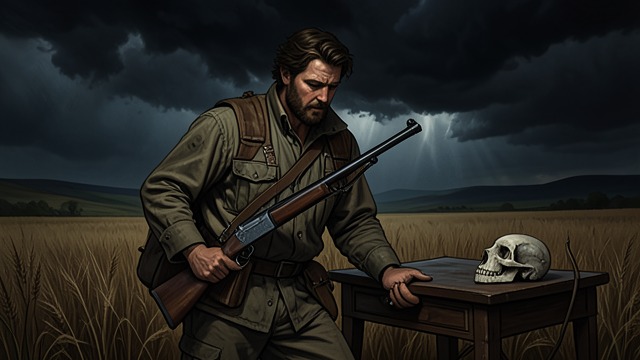
Mowat argues that animals targeted for extermination are often assigned vicious qualities that make killing easier to justify. Wolves become a convenient explanation for losses with more complicated causes.
The Stakes of Reputation
The myth supports bounties, poison, and organized hunts. Challenging the story is therefore not only a matter of correcting natural history but also of confronting the human benefits that the false account protects.
Before Mowat’s fieldwork
During Mowat’s enforced stay in Churchill
During the 1946 Churchill panic
At the end of the 1946 panic
During the government’s ongoing wolf-control campaign
